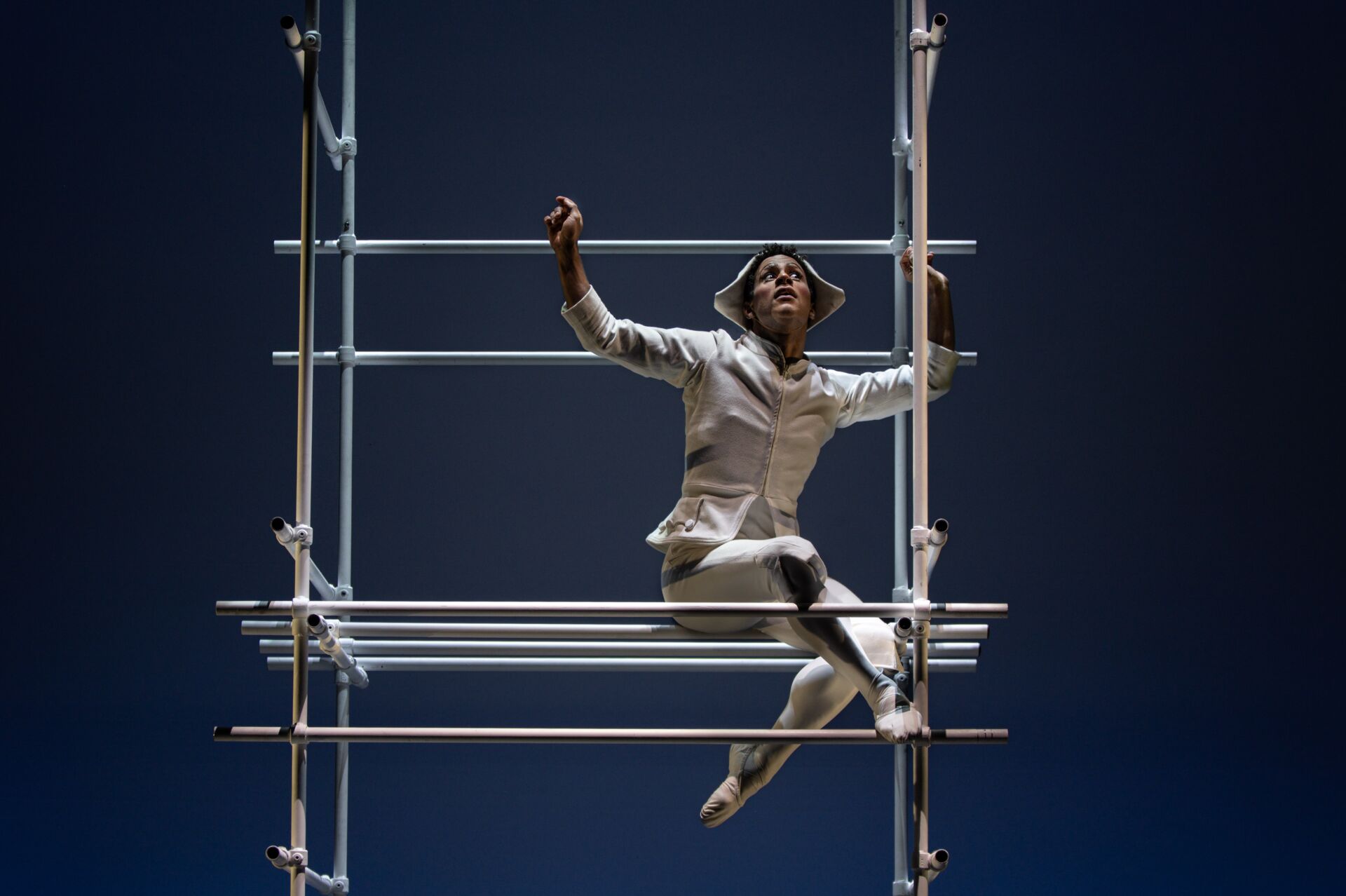
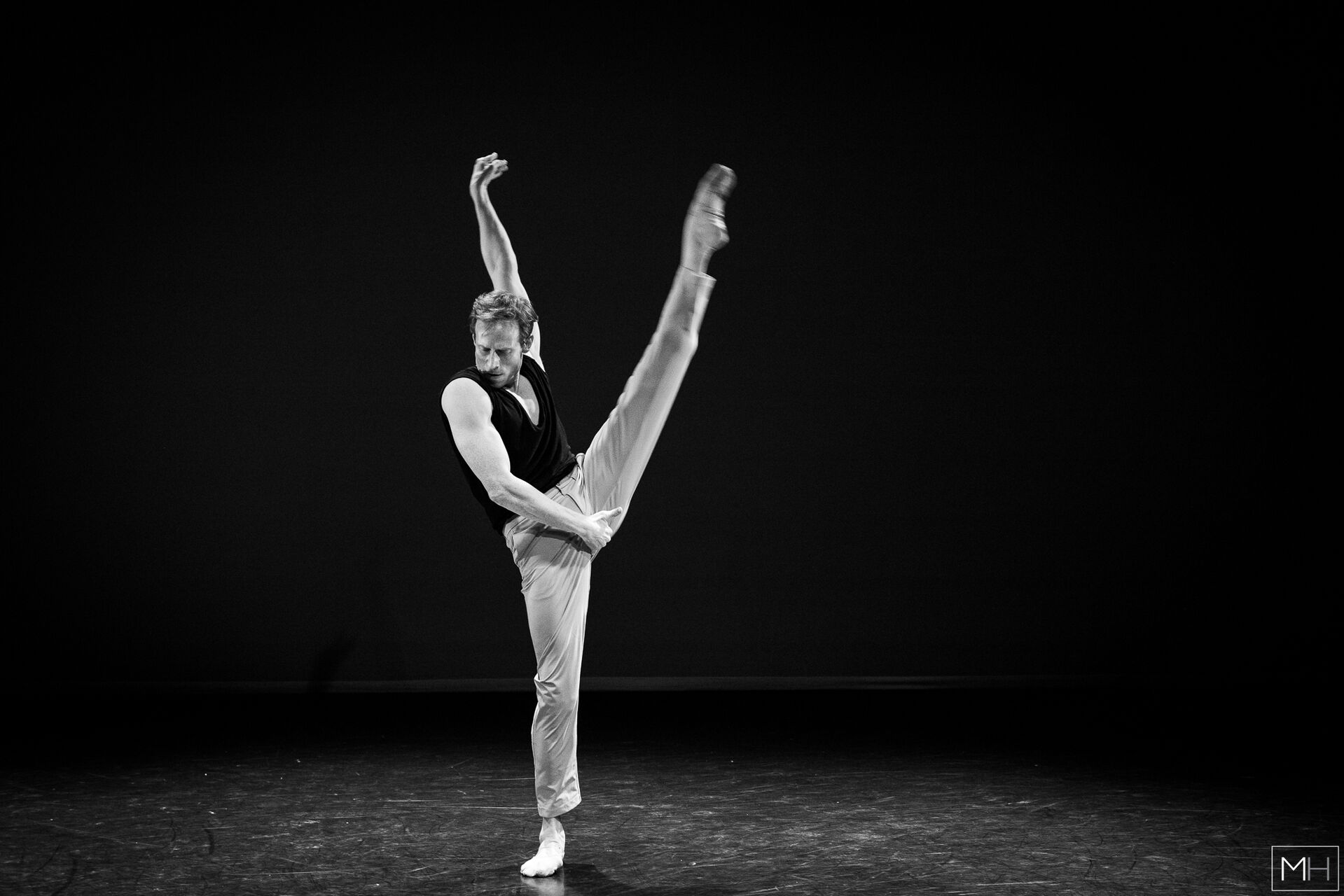
At the Royal Ballet and Opera’s Linbury Theatre, The Royal Ballet presented a revival of Tetley’s Pierrot Lunaire in February to mark the centenary of the choreographer’s birth. A work closely associated with Rambert for many years, it is a shame that company has made no effort to revive Pierrot recently. This is symptomatic, however, of Rambert’s current direction, under the dreary leadership of Benoit Swan Pouffer, which no longer has a defined artistic vision. Pierrot Lunaire, created in 1962, was the work that launched Tetley’s international career. A major piece in the modern dance repertoire, it is a strange ballet that deals with loss of innocence and growth into adulthood, and it is made even stranger by Arnold Schoenberg’s difficult music. The work still makes an impact, and it offers a marvellous role for the leading male dancer – no wonder Pierrot was, apparently, a favourite of Rudolf Nureyev. The highly expressive Marcelino Sambé, who continues to grow and grow as an interpretative artist, was fortunate in this revival to have Christopher Bruce, one of the finest interpreters of the role with Rambert, working with him as a coach.
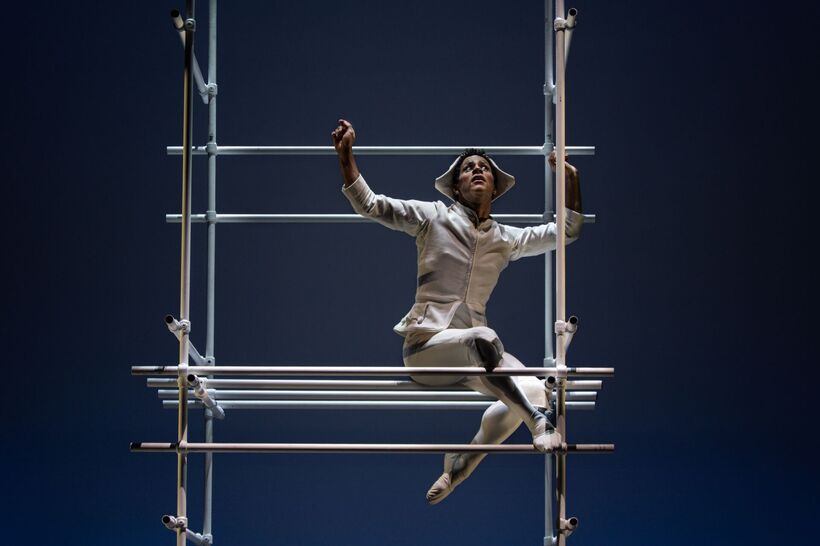
A few weeks earlier, at the end of January, the Linbury played host to a rare visit from the Paul Taylor Dance Company. Not seen in London for over two decades, at last we could rejoice again in seeing Taylor’s brilliant choreography and the marvellous ensemble of dancers who continue to perform his works. I saw the company’s second programme, which included Taylor’s final work, Concertiana, made in 2018, as well as Esplanade, first seen in 1975. What struck me most about Concertiana was Taylor’s attention to line and grace, and a gloriously free ease of movement. Even more thrilling was Esplanade, an ingenious demonstration of how seemingly ordinary, everyday movement can grow into intriguing, ever-more complex dances, especially in the final section where Taylor’s daring, helter-skelter physicality and bravado becomes a thrilling embodiment of Bach’s music. What a company, and what a choreographer.
Sadler’s Wells north and east
Sadler’s Wells continued its varied season of dance at its main base on north London’s Rosebery Avenue, as well as its new venue at Stratford East. Things did not start well for me at Sadler’s Wells East with the comedy dance company Chicos Mambo in the dire TUTU, an unfunny skit on all forms of dance, ranging from classical ballet to Pina Bausch. Things fared better over at Rosebery Avenue, with seasons presented by Scottish Ballet, Tiler Peck and Friends, English National Ballet and Paco Peña Flamenco Dance Company.
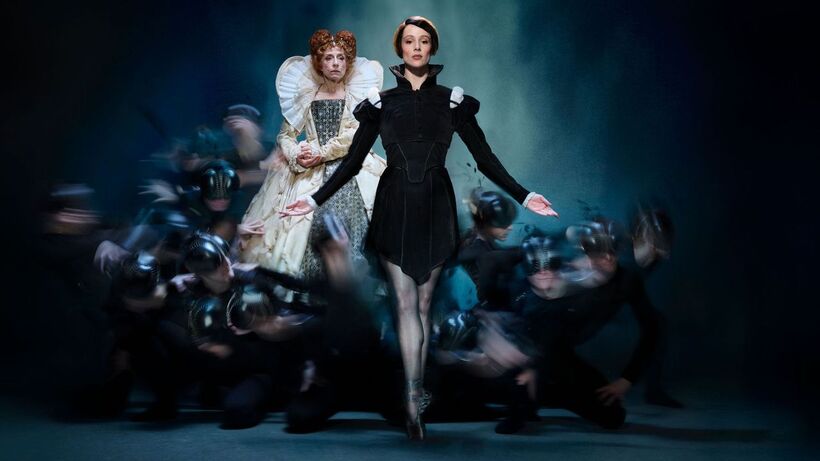
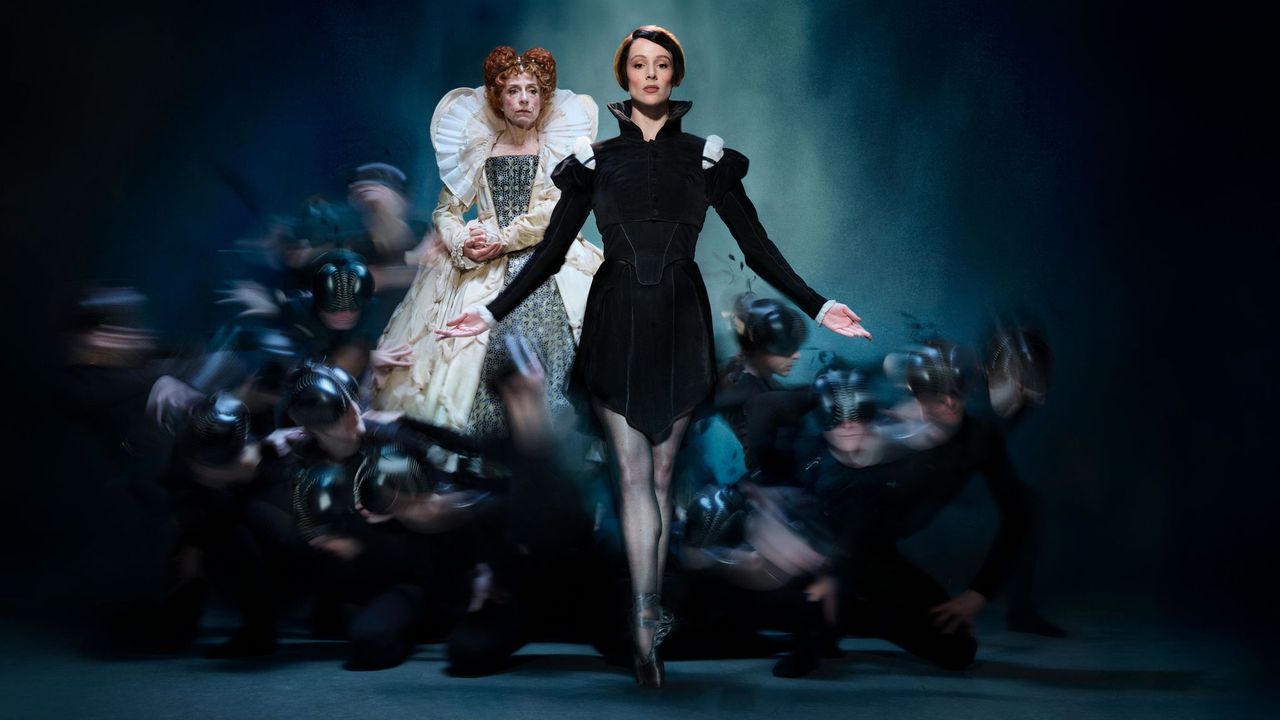
Premiered at last year’s Edinburgh International Festival, Scottish Ballet’s latest two-act ballet, Mary, Queen of Scots, is choreographed by Sophie Laplane. It explores the life of the ill-fated Stuart queen, danced by Roseanna Leney, and although the ballet follows the broad outlines of history, the choreographer states the work is a “non-historical ballet”, and there are key moments in the queen’s life – such as her marriage to Lord Bothwell – that are not included. Events unfold with rapidity but are often simplistically told through nondescript dance that allows little time for reflection. In addition, the casting of Queen Elizabeth I – shared by the diminutive and mature female dancer Charlotta Ofverholm and the towering young male dancer Harvey Littlefield – caused total confusion for anyone not familiar with British history of the 16th century. The ballet ends, unsurprisingly, with Mary’s execution in 1587, but – unlike the final scene in Donizetti’s opera Maria Stuarda, for example – Laplane is in such a hurry to bring the ballet to a conclusion that it lacks any sense of catharsis at the queen’s death.
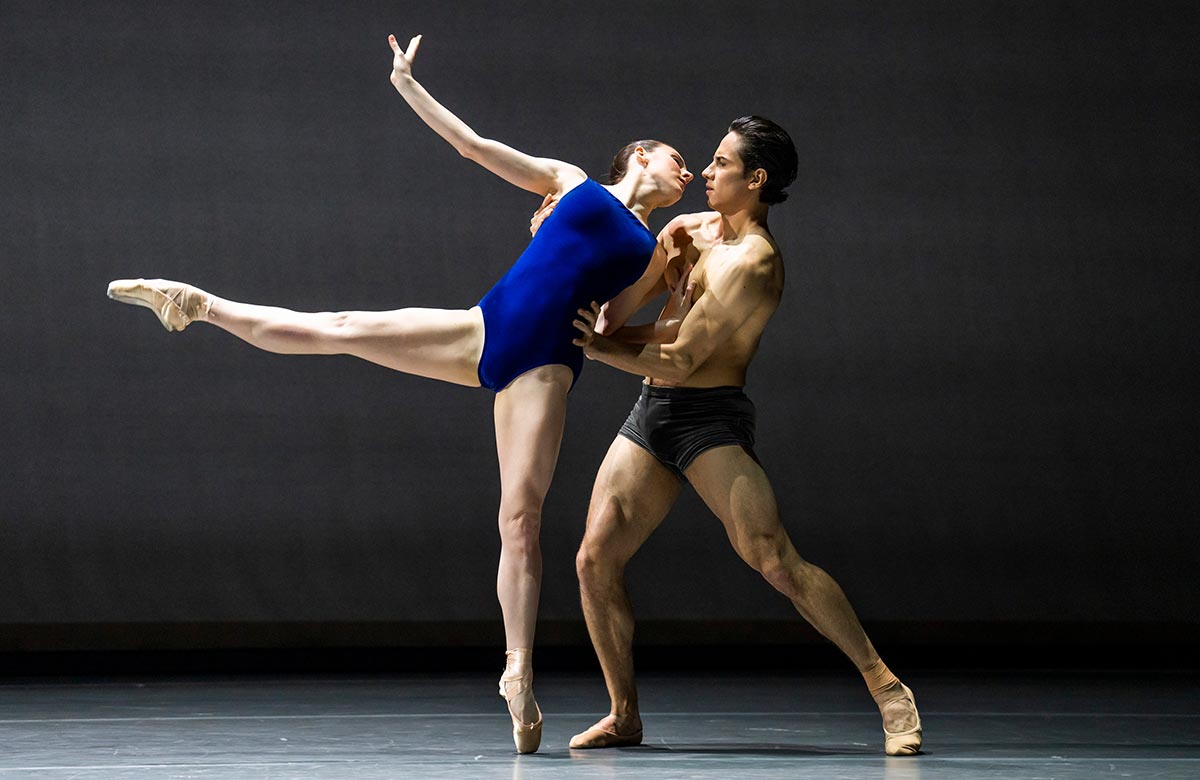
The following week saw a season presented by Tiler Peck of New York City Ballet (NYCB) in Turn it Out, an enjoyable programme of works danced by Peck and her “Friends”. These included Lex Ishimoto, Brooklyn Mack and Roman Mejia who, with Peck, devoured the stage with utter brilliance in William Forsythe’s astonishing The Barre Project, Blake Works II, and Peck and Mejia making much of the far less interesting duet Swift Arrow by Alonzo King. Peck also included choreography by herself in Thousandth Orange, danced by a group of fabulously talented members of NYCB and the evening ended with the audience-pleaser Time Spell. With three choreographers – Michelle Dorrance, Jillian Meyers and Peck – and additional collaborations and improvisations by the dancers, it was a bit of a mess, but it did allow the entire cast to strut their stuff.
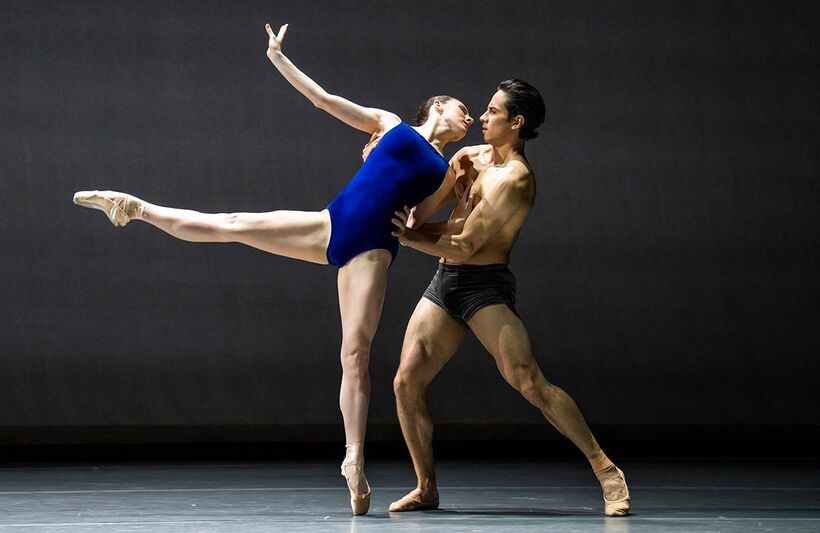
Next at Sadler’s Wells was Body and Soul, a double bill from English National Ballet that included the UK premiere of Crystal Pite’s Body and Soul (Part 1) and the world premiere of Kameron N Saunders’ Proper Conduct. The dancers were fabulous, but as both ballets explored the state of the contemporary world, there was a bleakness of tone and atmosphere throughout. Originally created for the Paris Opéra Ballet, the Pite work was by far the best, and a perfect demonstration of the brilliant way she uses spoken word as the basis for dance. Whether moving as a huge ensemble, or as individuals, the dancers’ actions corresponded exactly to the words of Pite’s recorded text (spoken in French), which are then repeated and fractured into a score by her long-time collaborator Owen Belton.
According to Saunders, a prominent figure in commercial dance, Proper Conduct was the first work he had done “that is this length, with this many dancers,” and I felt this inexperience showed. I took the ballet to be a condemnation of Trump’s America, and Saunders produced lots of ideas for it, and an interesting vocabulary of movement, but the result was far too simplistic in its imagery and lacked an incisive edge.
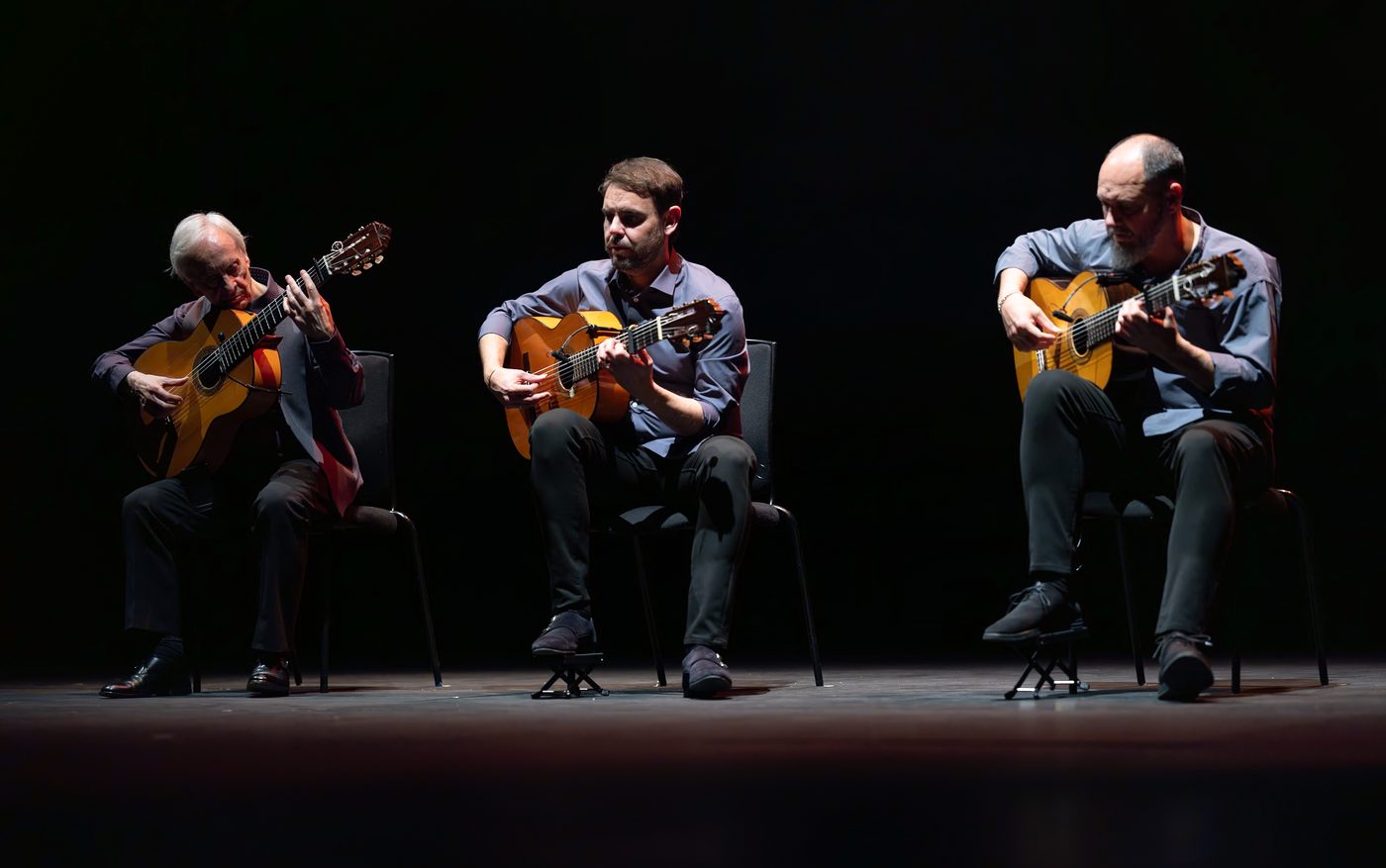
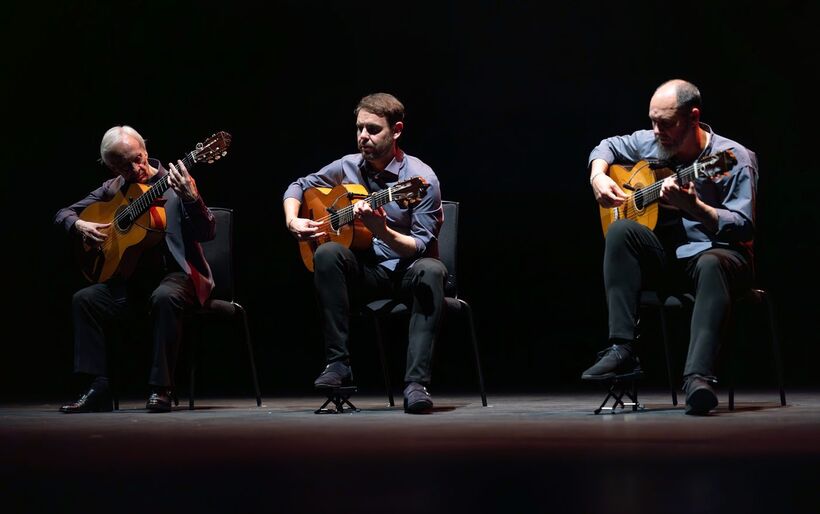
It is always a delight to attend a performance by the Paco Peña Flamenco Dance Company, as you know you will see and hear some of the world’s finest Flamenco artists. Solera, directed by Jude Kelly and choreographed by Fernando Rovero, was no exception, with wonderful playing from guitarists Peña, Dani de Morón and Rafael Montilla, percussionist Julio Alcocer and singers Inmaculada Rivero and Iván Carpio, as well as exceptional dancing from the riveting Angel Muñoz alongside Brazilian-born Gabriel Matías and the British-based Magdalena Mannion (replacing the originally announced Adriana Bilboa).
Never flashy or vulgar, Matías danced with a dignified sense of joy and spontaneity, and Muñoz performed with a natural elegance, his maturity and physical presence bringing additional strength and variety to his dancing, as well as sex appeal. As his hands and arms crossed rapidly in front of his body, and his legs and feet produced cascades of zapateado that increased in speed and refinement, you sensed Muñoz’s total discipline and dedication to his art.
South of the river
Across the River Thames, over in Battersea, south London, the Ukrainian-born Ivan Putrov, a former principal with The Royal Ballet, presented a fundraising gala for Dance for Ukraine on the afternoon of 21 March at the impressive new headquarters of the Royal Academy of Dance (RAD). Supporting ballet students in Ukraine, the charity aims to raise £50,000 by June 2026 so that 30 young dancers can remain in training at the Kyiv State Ballet College and the Serge Lifar Municipal Academy of Dance. Hosted by the RAD’s president, Dame Darcey Bussell, the gala included an impressive array of performances by leading dancers – some of them Ukrainian – from Birmingham Royal Ballet, The Royal Ballet and The Royal Ballet School in extracts from Coppélia, Don Quixote, Giselle, Rhapsody, A Single Man, Taras Bulba, and two different versions of The Dying Swan! Visit inspirationinmotion.org.uk if you would like to donate to this worthwhile cause.
West End Royal
The Royal Ballet ended its performances of The Nutcracker at the Royal Ballet and Opera in London’s West End in early January, and these were followed by long runs of Wayne McGregor’s Woolf Works, Peter Wright’s production of Giselle and Kenneth MacMillan’s three-act Mayerling. Not being an admirer of McGregor’s choreography, I decided to forego Woolf Works, but attended several performances of Giselle and Mayerling.
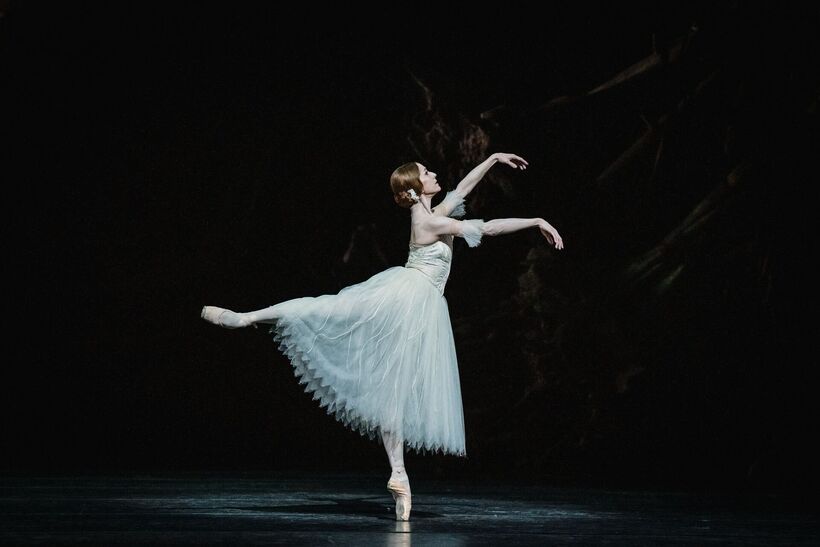
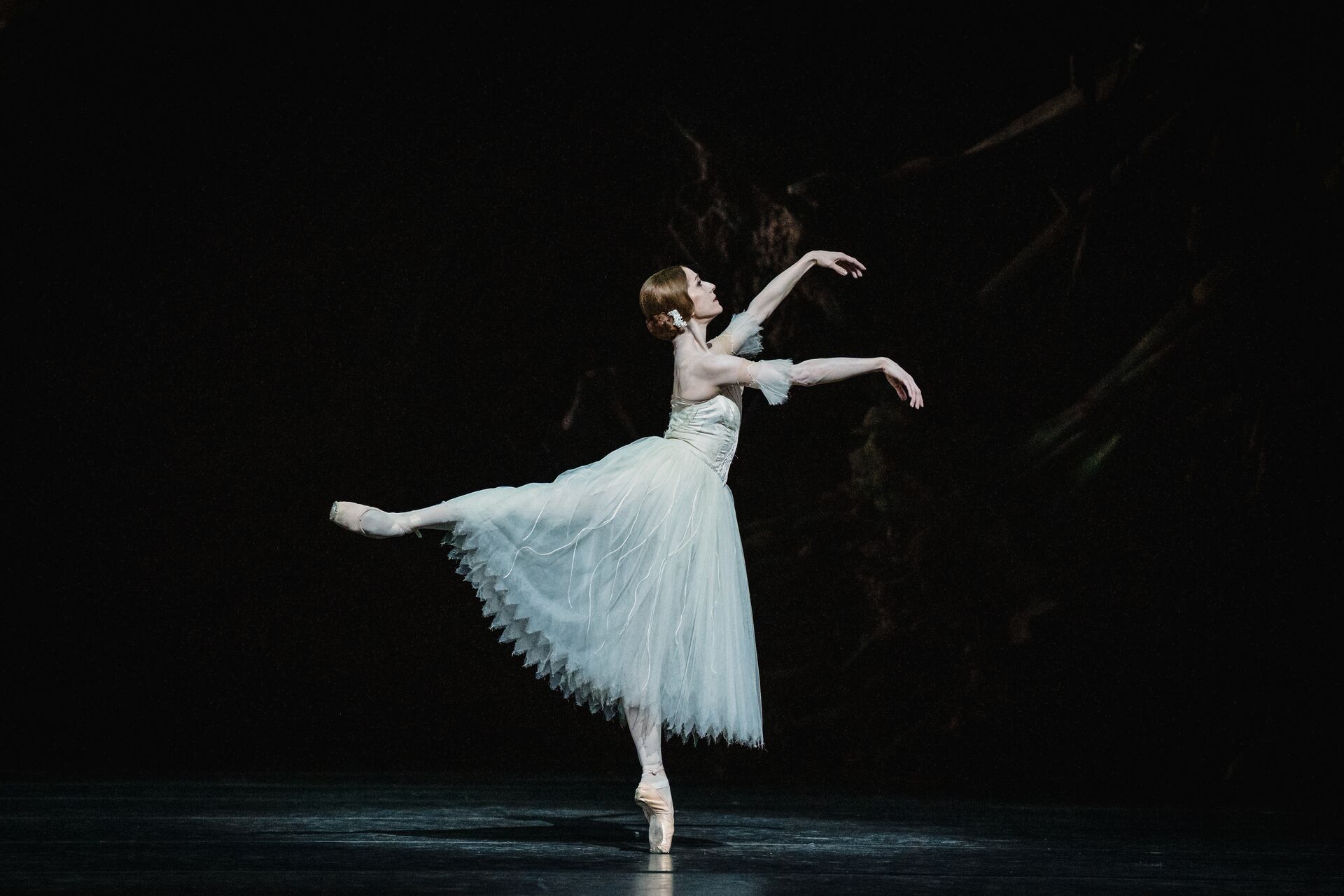
The Royal Ballet offered no fewer than 11 separate casts for Giselle, which included important role debuts, as well as a guest appearance from the Paris Opéra Ballet’s Hannah O’Neill. Opening night, on 14 February, saw exemplary accounts of Giselle and Albrecht from Marianela Nuñez and William Bracewell, and later there were fine debuts from Anna Rose O’Sullivan and Mayara Magri as Giselle, and Patricio Revé as Albrecht. Perhaps the most touching of all were the debuts of first artist Marianna Tsembenhoi as Giselle, who was beautifully paired with the Albrecht of principal Joseph Sissens. Tsembenhoi showed complete confidence in her abilities, had total command of the difficult choreography, and proved herself an impressive actress in an immensely satisfying performance. She was given marvellous and considered support from Sissens, who excelled in everything he danced.
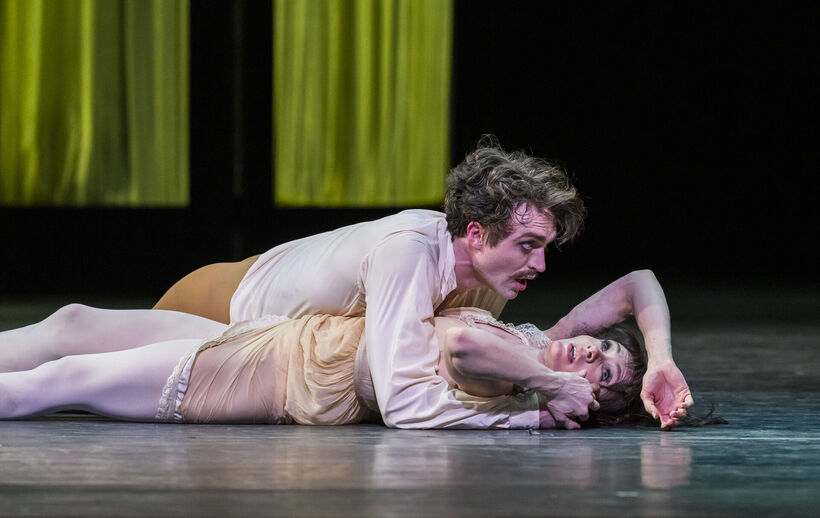
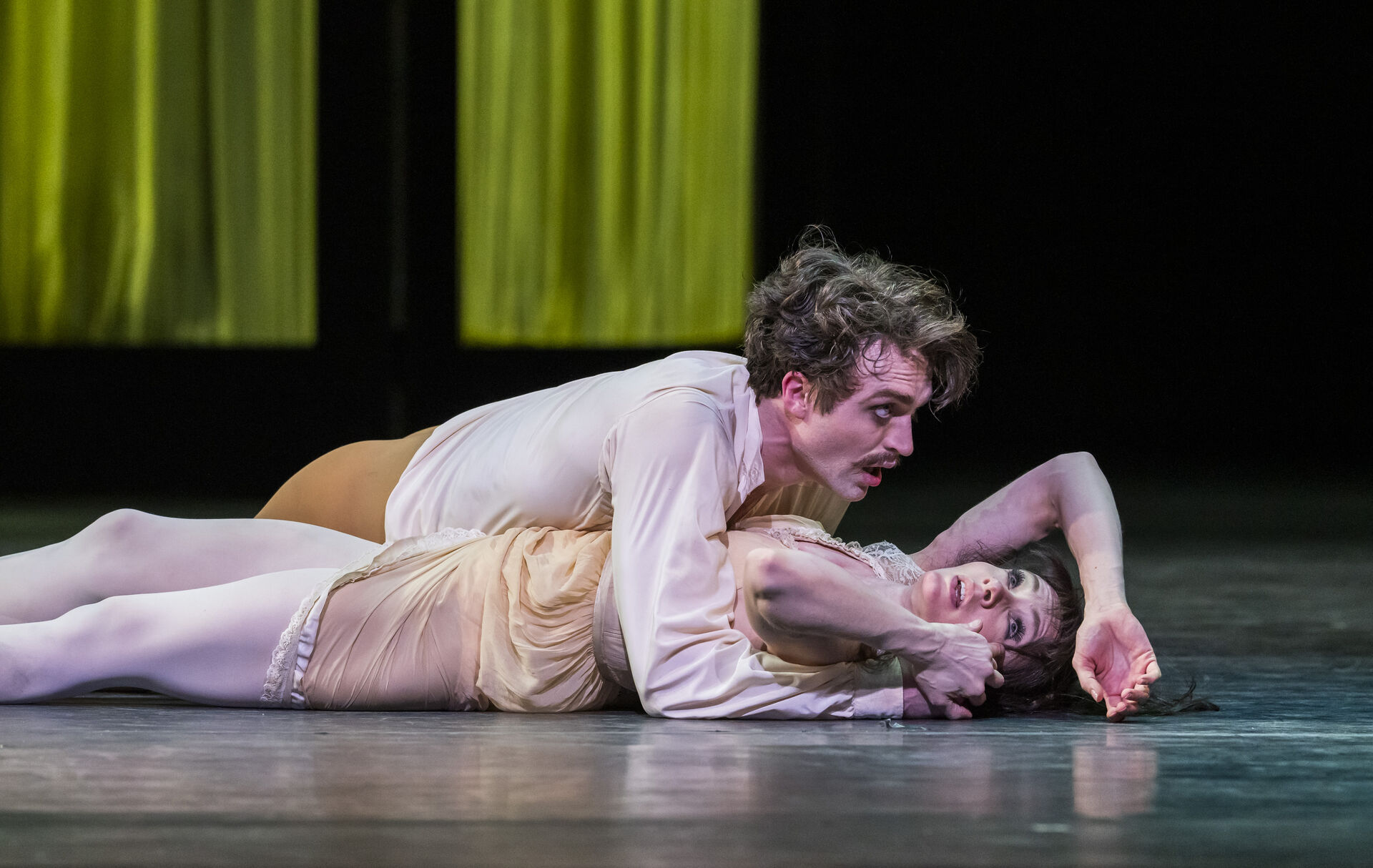
MacMillan’s epic Mayerling, dealing with the turbulent life and death of Crown Prince Rudolf of Austria-Hungary, returned to Covent Garden in a marvellous revival overseen by Laura Morera, the former Royal Ballet principal who now acts as The Royal Ballet’s artistic supervisor for the MacMillan estate. Morera, who has performed more roles in Mayerling than any other female artist, knows the ballet inside out, and this expertise shone through on opening night. Led by the superb Matthew Ball as Rudolf, and with Melissa Hamilton as his teenage mistress, Mary Vetsera, and Mayara Magri as the scheming Countess Larisch, the triumphant first performance was emotionally exhausting, marred only by some poor orchestral playing. The ballet was equally shattering on the afternoon of 2 April when Calvin Richardson, replacing an injured Steven McRae, took on the role of Rudolf the first time. Richardson is tall, elegantly proportioned, expressive and, above all, blessed with great physical strength, so he was ideally cast for one of the most arduous male roles in the classical repertoire. He took on the challenge head on, and in return rewarded the audience with a perceptive interpretation that can only deepen and become richer with time and experience. With further debuts still to come, Mayerling remains in The Royal Ballet’s repertoire until the end of May.