Meanwhile at Covent Garden, The Royal Ballet could be seen in yet more performances of Kenneth MacMillan’s Mayerling and Frederick Ashton’s La Fille mal gardée, as well as an unappealing triple bill of works by resident choreographer Professor Sir Wayne McGregor CBE, and a new double bill from Paul Lightfoot and Sol Léon. Over at the Royal Albert Hall, English National Ballet appeared in Kenneth MacMillan’s production of Marius Petipa’s The Sleeping Beauty, with reportedly mixed results.
Letter from London: Spring into Summer
As surely as spring turns into summer, the dance season in London continued its course from late April right through to July. Sadler’s Wells, London’s main dance venue, saw performances from UK companies not based in London such as Birmingham Royal Ballet and Northern Ballet, as well as the welcome return of Les Ballets Trockadero de Monte Carlo and the London Flamenco Festival.

Gemma Coutts in Gentleman Jack. Photo Scott Salt
Advertisement

In addition, Rambert celebrated its 100th anniversary with a programme at Sadler’s Wells that seemed to underline the fact it has increasingly become irrelevant as a force for contemporary dance in the UK. Rambert recently announced it will stage next year a dance version of It’s a Sin, its second full-length work choreographed by artistic director Benoit Swan-Pouffer to be based on a popular television drama (the first was Peaky Blinders) in an attempt to draw in audiences. On a happier note, also celebrating its 100th anniversary was The Royal Ballet School, which for a century has provided the Royal Ballet companies, as well as the wider dance profession, with an array of outstanding dancers and choreographers. Their centenary came to a climax with an excellent performance by the students at The Royal Ballet and Opera in July.
Ballet at Sadler’s Wells
Federico Bonelli took a bold step in his first commission of a full-length ballet as artistic director of Northern Ballet. He selected a two-act work based on the life of Anne Lister, a tough, 19th century businesswoman – known locally in her native Halifax as “Gentleman Jack” because of her apparently masculine appearance – who was often at odds with the male-dominated society in which she lived. She would later become known to a far wider public after her extensive private diaries were decoded nearly a century after her death, revealing, in detail, her numerous lesbian relationships. Her story became the inspiration for Sally Wainwright’s marvellous television costume drama, Gentleman Jack, which in turn formed the basis of the ballet choreographed by Annabelle Lopez Ochoa.
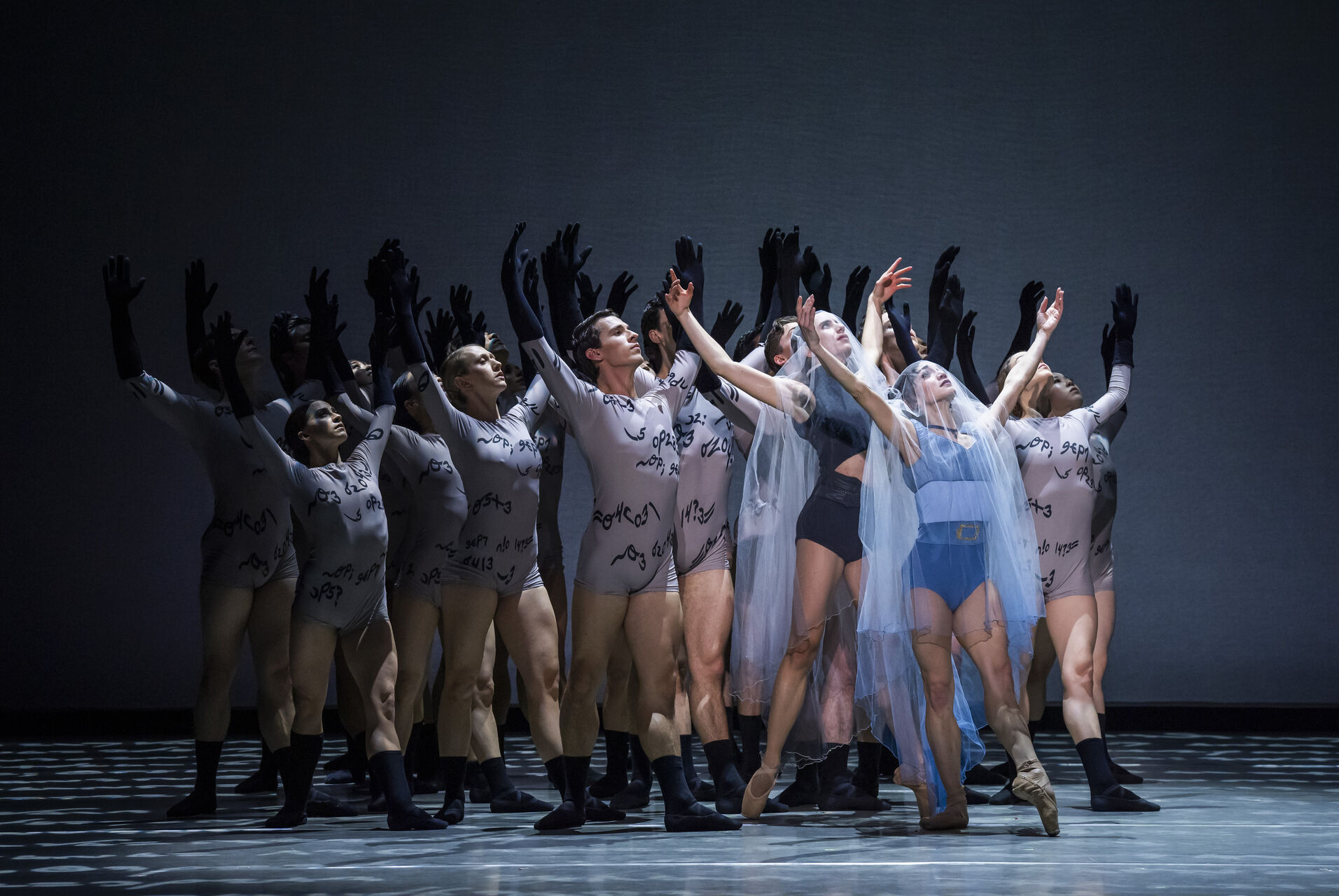
In an artform that has often shied away from any hint of homosexuality, the piece is unusual as few works in ballet have attempted to depict same-sex love in any depth, and – with its commissioned score by composer Peter Salem, and designs by Clare Croft and Christopher Ash – Gentleman Jack must be something of a first as, to my knowledge, I cannot think of another multi-act work that so openly explores lesbian relationships.
Lopez Ochoa is good at portraying Lister, danced by Gemma Coutts, and her story is told swiftly and clearly, but I found the choreography surprisingly bland because it did not employ a dance vocabulary that stretched the range and capabilities of the cast. For too much of the time, the ballet seemed merely to be going through the motions of its plot, and throughout there was a lack of strong character development.
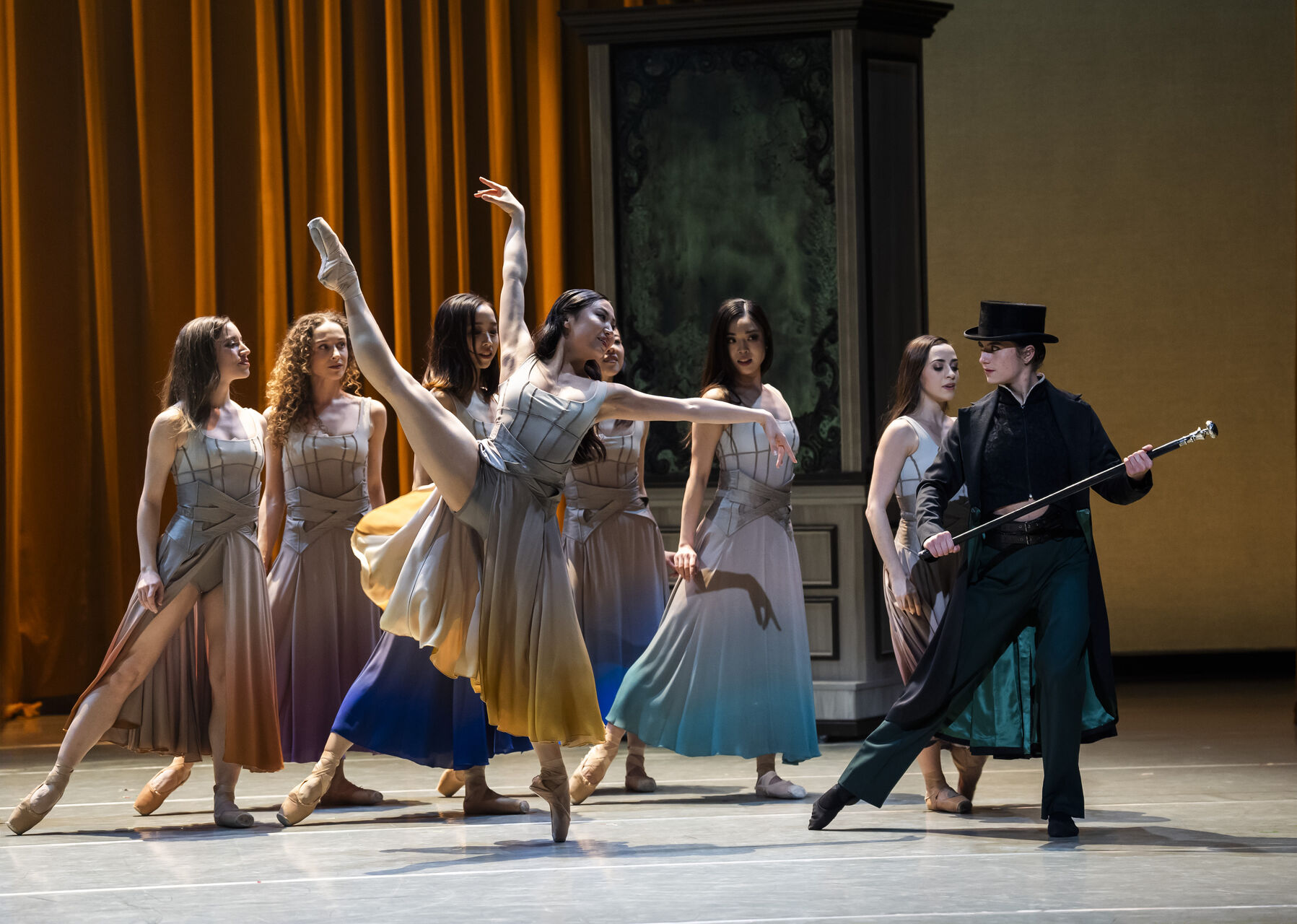
Particularly disappointing were the duets for Lister and the women central to her love life. Here was a chance to experiment and attempt something very different in ballet, but just when you hoped the several pas de deux would develop into a deeper exploration of physical love between two women the choreography seemed to lose impetus. What a missed opportunity. For a ballet that celebrated difference, individuality and personal freedom, it certainly brought a noticeably queer audience into Sadler’s Wells on 19 May, but it failed to make an impact because it was not different enough.
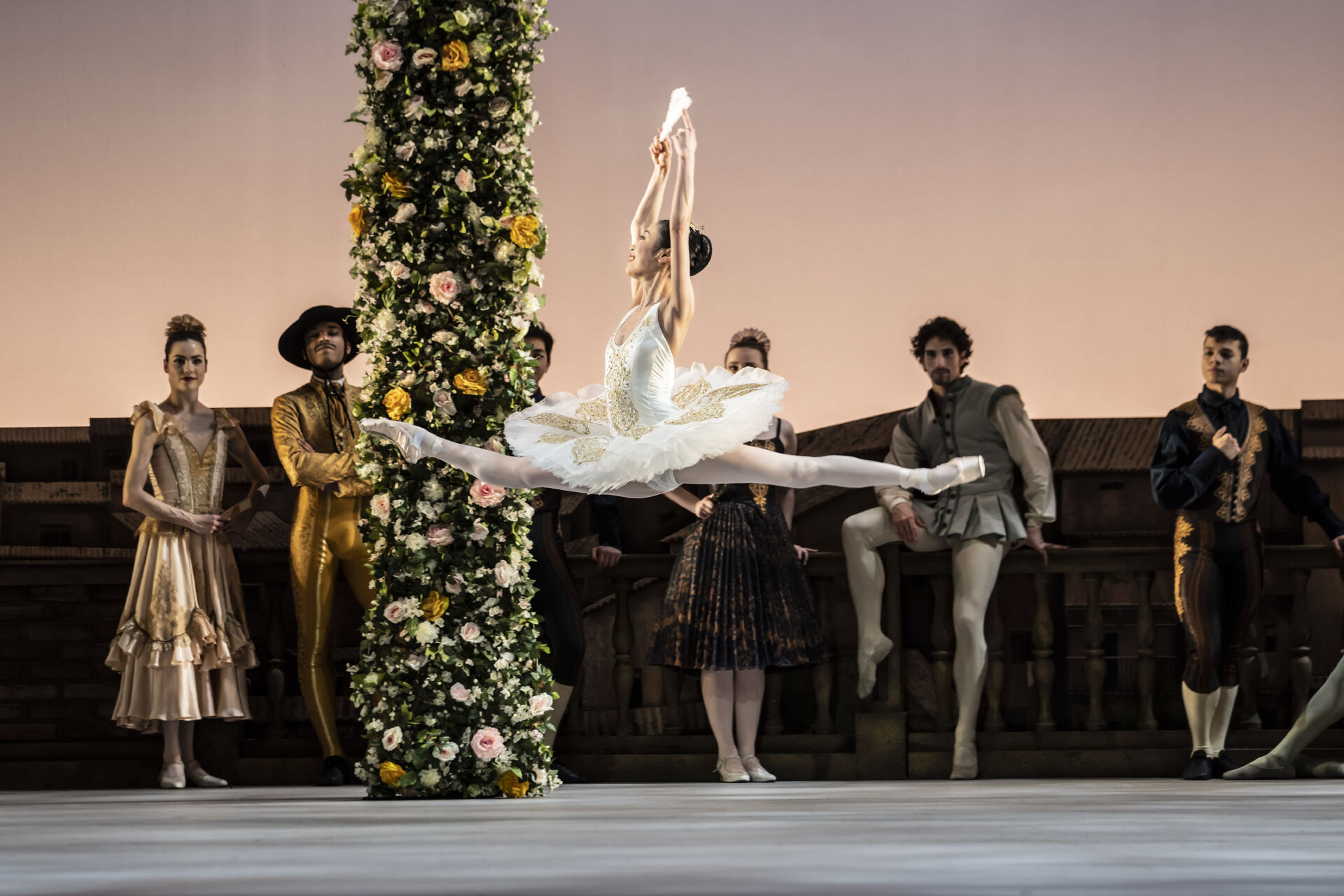
Birmingham Royal Ballet (BRB) brought its popular production of Don Quixote to Sadler’s Wells on 17 April. Staged – somewhat after Marius Petipa’s original – by artistic director Carlos Acosta, the ballet requires full-blooded Spanish-style dancing alongside classical virtuosity, as well as highly theatrical performances from the entire cast, and although BRB made a good attempt at the work, it’s a piece that only the Bolshoi can really get away with today. Acosta sticks quite closely to the standard version of Don Q, although he over embellishes the traditional choreography, and his production is helped immensely through imaginative set and video designs by Tim Hatley and Nina Dunn. The opening night Kitri and Basilio were principal dancers Momoko Hirata and Mathias Dingman. They were step perfect, and I could not fault either for their technical prowess, but their interpretations were low-key and lacked that last extra ounce of panache that turns excellent dancing into something scintillating.
By contrast, panache is something the dancers of the New York-based comedy drag ballet company Les Ballets Trockadero de Monte Carlo – or more simply The Trocks – have in spades, and it was a delight to welcome them to Sadler’s Wells on 5 May for the first time. There can be many forms of humour in the theatre: subversive, irreverent, naughty, knowing, informed, affectionate and ironic, as well as humour that can charm and enchant. All these qualities – and more – are delivered in abundance by The Trocks, and only the most po-faced balletomane could fail to respond to their engaging slapstick.
The programme was a mixed bill of favourites from the classical repertoire, including a wicked take on Swan Lake Act II, and a version of the virtuoso pas de deux from Le Corsaire danced almost “straight”. There was also Seán Curran’s Metal Garden, a delicious spoof of one of those modern-day neo-classical ballets you see in New York rather than London, and a glorious version of the Grand Pas from Petipa’s Paquita, complete with no fewer than six ballerina variations. The highlight of the evening was The Dying Swan, complete with moulting feathers and deliberately indulgent curtain calls, performed by the much-loved Olga Supphozova (Robert Carter). A natural comedian, as well as a wonderful dancer, Carter’s performance was made even more poignant because he is due to retire from the stage later this year. He will be greatly missed.
Dancing from Spain
The annual Flamenco Festival London returned to Sadler’s Wells for two weeks at the end of June, and there was plenty to enjoy, although the promised appearance by Israel Galván did not materialise. UnYdos, by Compañía de Danza Jesús Carmona, provided a superb start to the season on 16 June. Slim and wiry, Carmona has a compelling intensity to his dancing. His feet execute cascades of zapateados, but he enhances his movements with such a feeling for line and proportion that they become a metaphor for beauty in motion. Likewise, fellow dancer Lucía Campillo has an exciting stage presence, and she brings intensity – as well as a delightful sense of humour – to her performance. Her backbends were marvellously deep and free, and, like Carmona, she dances with a wonderful sense of form and line. It was elating to see so much fine dancing, but mention must also be made of the cantaor Jesús Corbacho, who sang with such hypnotising, hushed, husky fluidity that his music almost became an act of seduction.
 Compañía Rafaela Carrasco’s CREAVIVA, which took inspiration from the nine muses of Greek mythology, was a disappointment. Carrasco is a serious artist who displays incredible clarity and precision in her footwork and in her arms, but I was surprised by how little she incorporated the use of her torso into her dancing. Also disappointing was Ballet Flamenco de Andalucía’s Tierra Bendita, which was so slickly directed and choreographed that it lacked spontaneity, despite good dancing from soloists Eduardo Leal, Ángel Fariña, Adriana Gómez and Patricia Guerrero. Neither production could compare with the excitement of seeing the enthralling Eva Yerbabuena, El Farru, Juan Tomás de la Molía and Manuel Liñán in the Gala Flamenca on 19 June nor that of Rocío Molina in Calentamiento on 24 June. Idiosyncratic and hugely talented, Molina pushed herself to exhaustion in her new show, which began terrifically, but became irritating 20 minutes before the end. You could readily forgive Molina her indulgences, however, because her artistry, skill, irreverence, pluck and sheer charisma completely win you over. There is nobody quite like her.

Dance at the Royal Ballet and Opera
As mentioned before, The Royal Ballet continued its long run of performances of Mayerling and La Fille mal gardée at Covent Garden throughout May and June. Both Marcelino Sambé and William Bracewell gave strong accounts of Crown Prince Rudolf in Mayerling, although they could not quite match the intensity of the performances of Matthew Ball and Calvin Richardson in the same role as mentioned in my previous Letter from London. New casts in Fille saw highly promising debuts from Leo Dixon, Patricio Revé and Joseph Sissens as Colas, and the Brazilians Leticia Dias and Mayara Magri as Lise.
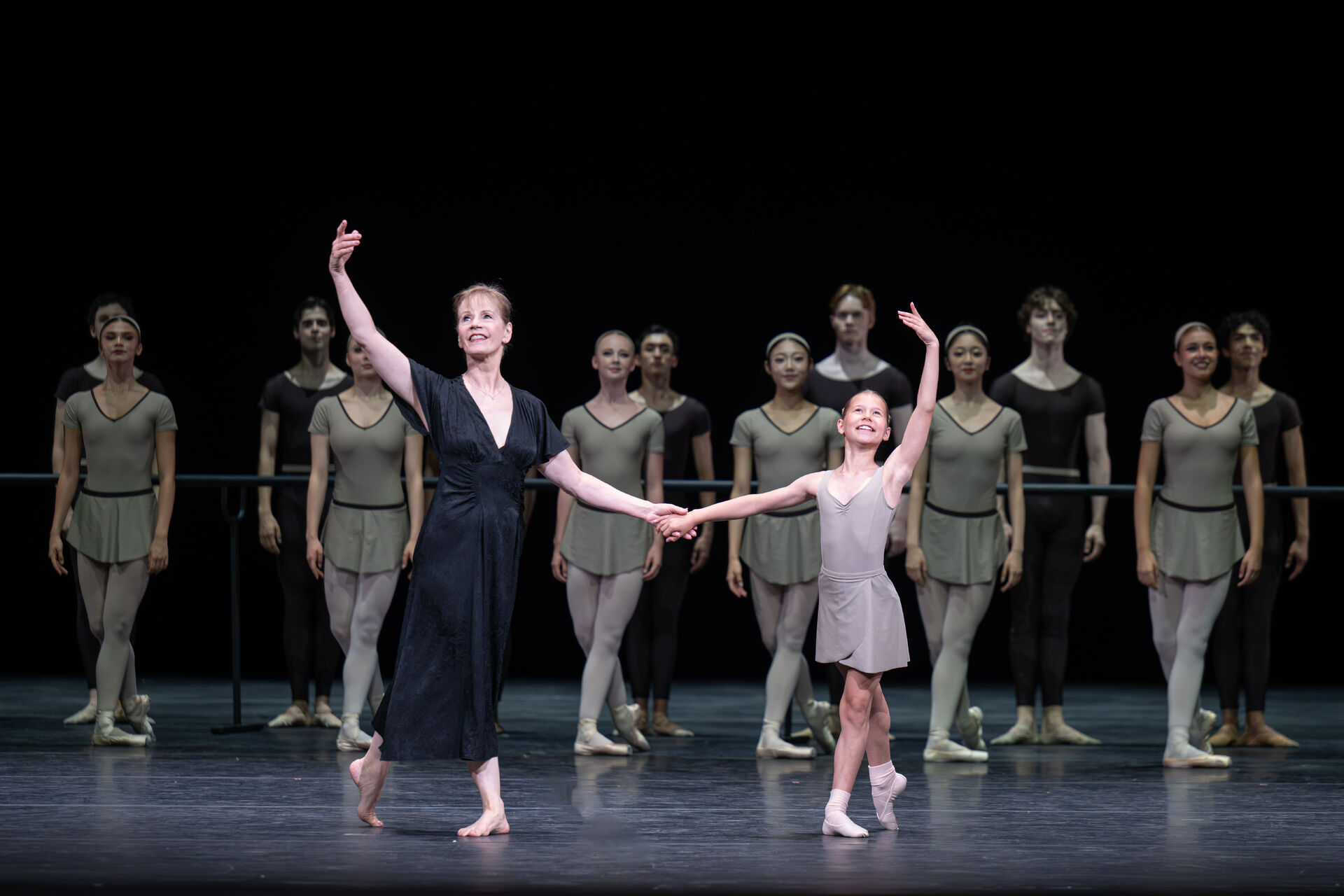
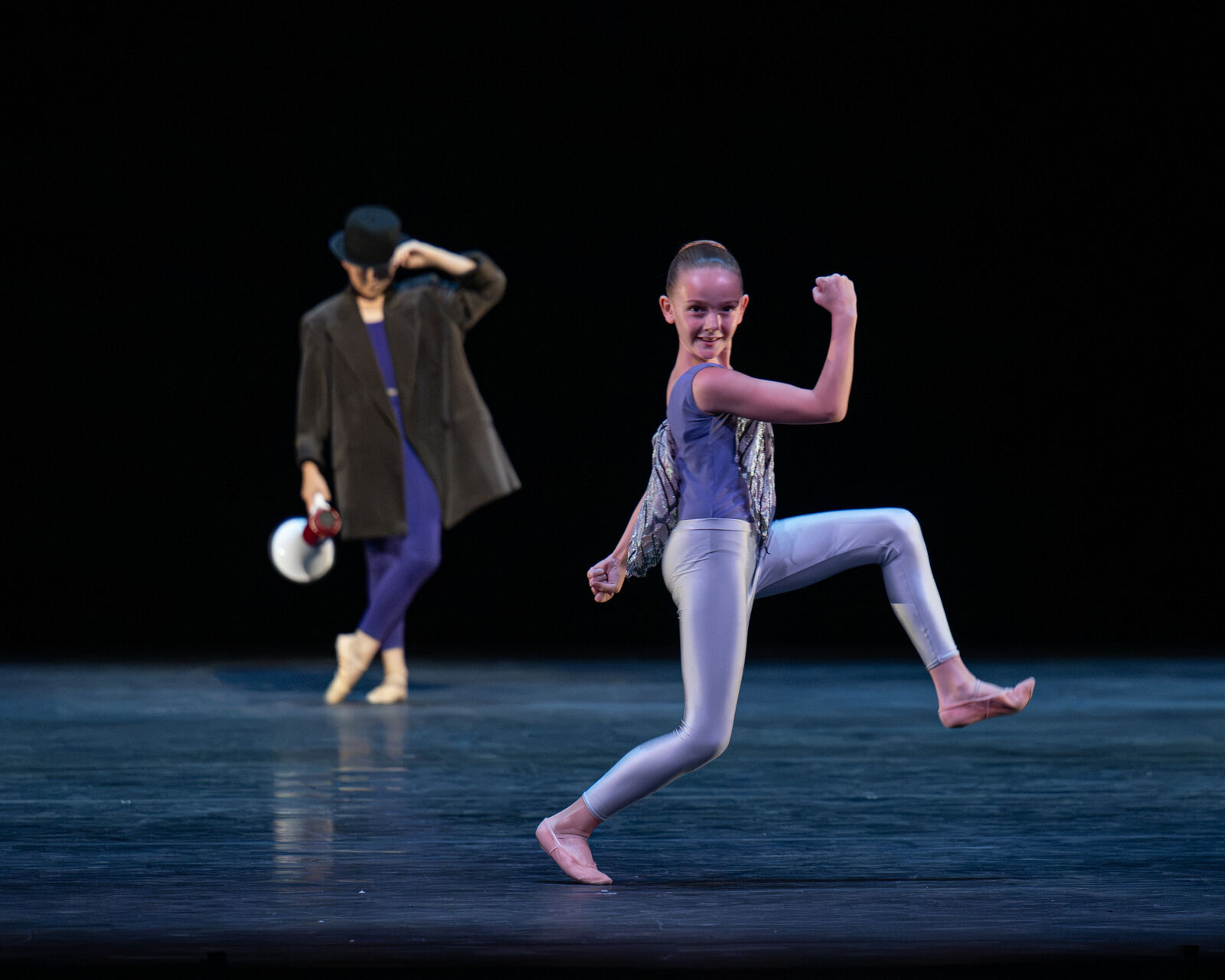
The Royal Ballet School (RBS), under the artistic direction of former BRB principal Iain Mackay, marked its 100th anniversary with a thoroughly enjoyable matinée performance on 18 July. It was a well-judged programme that saw not only a lengthy extract from a 19th-century classical ballet, Swan Lake Act III, but a suite from Checkmate, a work by Ninette de Valois, the founder and original director of the school. In addition, there were pieces by choreographers David Bintley, Kristen McNally, Andrew McNicol, Cathy Marston and Christopher Wheeldon, who had all studied at the RBS, and a new ballet by American choreographer Jessica Lang. These displayed the school in a wide range of styles and gave the students plenty of opportunities to shine. Thrilling as the performance was, even more exciting for this writer was to observe how the school continues to produce, year after year, dancers of the very highest calibre. With Mackay firmly in charge, I am convinced the excellent standard achieved by The Royal Ballet School over the course of a century will continue for years to come.