
The inversion of names in the title suggests a shift in focus toward Juliet. This move would make sense not only in the context of increased sensitivity to issues concerning the position of women in contemporary society, but also because Ek’s previous work has always gone “under the skin” of stories. The choreographer has consistently sought to better understand and portray the motivations of the main characters and bring them closer to the audience. And although this is also true of Juliet & Romeo, it cannot be said that the author delivers a particularly strong feminist statement. Ek focuses on the young couple and, in numerous encounters, especially duets, depicts the gradual development of their romantic relationship. At the same time, he does not significantly venture into a new movement vocabulary. Instead, one can observe a clearly consolidated choreographic language characterized by strong spatial awareness and elongated limbs, often ending in flexed joints or turned-in positions. There is also space for expressive facial work, most often reflecting youthful impulsiveness and a certain playfulness, typical of young lovers. In many ways, individual passages reminded me of the title roles in Giselle as performed by Spanish dancer Ana Laguna, particularly in the rawness and roughness of expression that protects an inner, resilient fragility.
Mats Ek Revisits Romeo and Juliet. But Only Halfway
Swedish choreographer Mats Ek is well known for his remakes of classical ballets. Whether it is Giselle (1982), Swan Lake (1987), or The Sleeping Beauty (1996), Ek always approaches these jewels of the classical repertoire in his own way. Often refreshingly unconventional and, for some, even scandalous. In 2013, he turned his attention to William Shakespeare’s famous drama Romeo and Juliet on the occasion of the 250th anniversary of the Royal Swedish Ballet. The company visited Madrid’s Teatro Real with its piece, Juliet & Romeo.Swedish choreographer Mats Ek is well known for his remakes of classical ballets. Whether it is Giselle (1982), Swan Lake (1987), or The Sleeping Beauty (1996), Ek always approaches these jewels of the classical repertoire in his own way. Often refreshingly unconventional and, for some, even scandalous. In 2013, he turned his attention to William Shakespeare’s famous drama Romeo and Juliet on the occasion of the 250th anniversary of the Royal Swedish Ballet. The company visited Madrid’s Teatro Real with its piece, Juliet & Romeo.


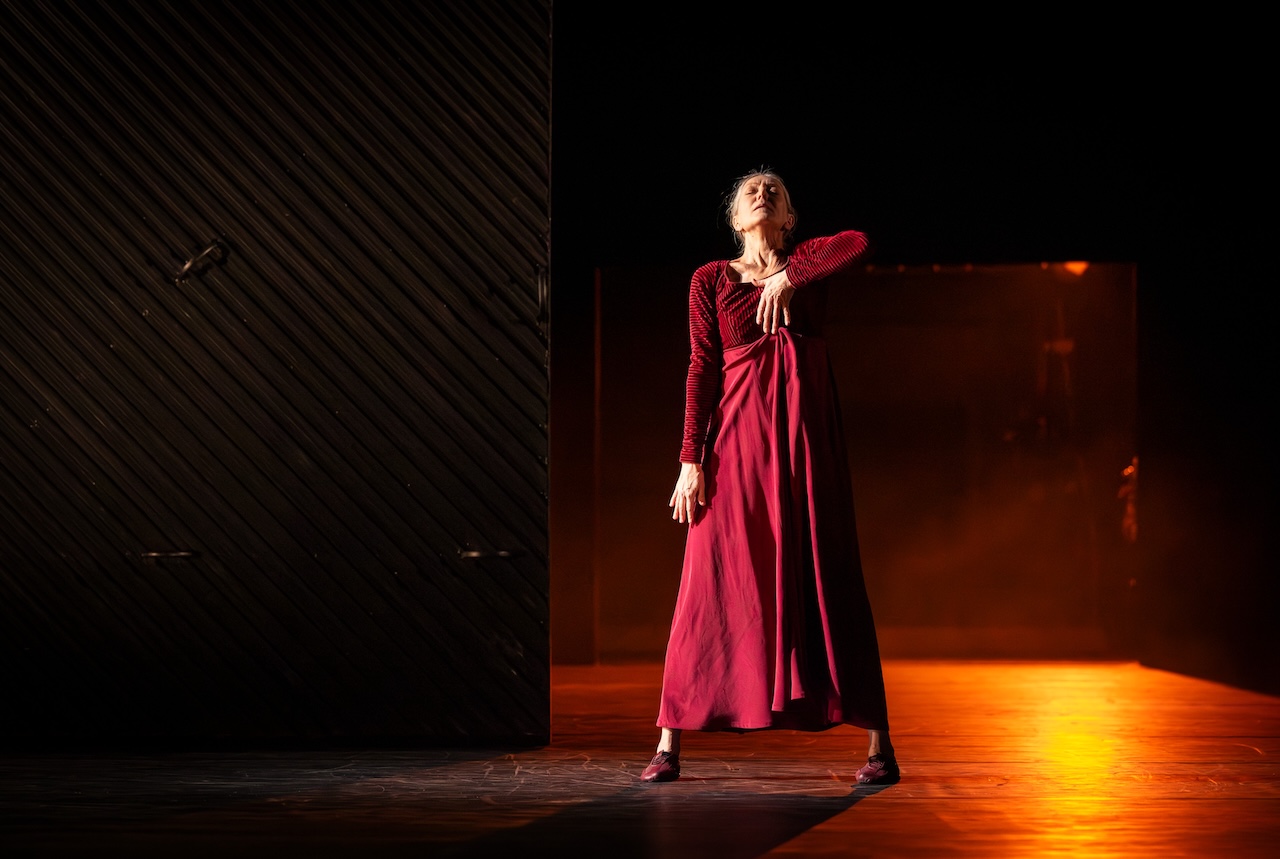
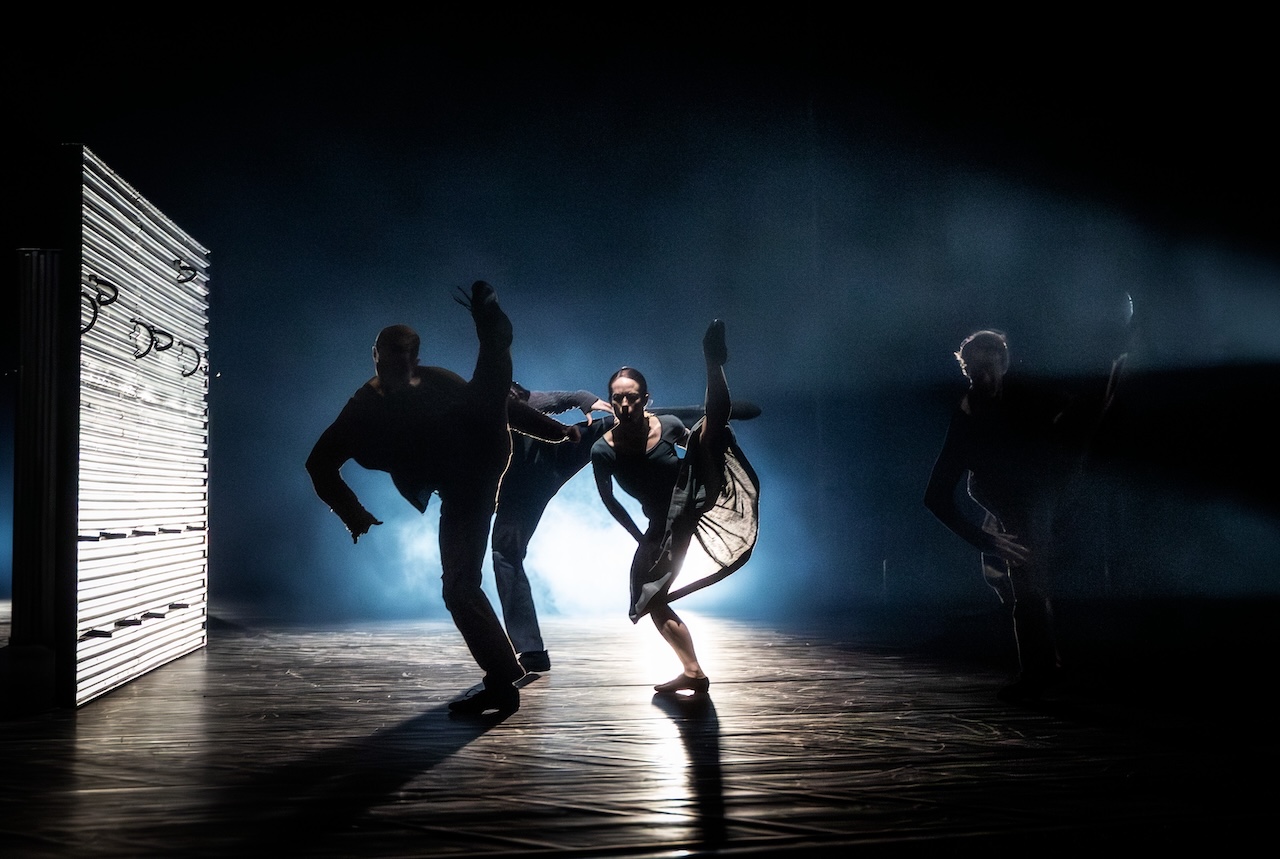 Ek, however, diverges from Shakespeare’s original in the storyline itself. Juliet dies by the hand of her father and later appears to Romeo as a shadow or a dream. Perhaps this was the moment through which the choreographer intended to display his emphasis on the female protagonist. Nevertheless, it seems to me that he did not sufficiently prepare the ground for such a development, and as a result, the ending feels somewhat ambiguous and uneasy, leaving me, the viewer, with many unanswered questions. Also, the production would have likely benefitted from a few scenes being trimmed.
Ek also completely departs from the standard canon in terms of the use of music. Instead of Prokofiev’s well-known score, familiar from other versions and used at the original 1938 premiere, the production features excerpts from Tchaikovsky’s compositions, arranged by Anders Högstedt. On the one hand, I must acknowledge that the music corresponds fairly well to the individual scenes and skillfully complements the narrative. On the other hand, the score lacks greater internal dynamics, which could have better highlighted key moments rather than merely serving as an accompaniment to the choreography. This was particularly evident in the banquet scene, which merged somewhat with the rest.
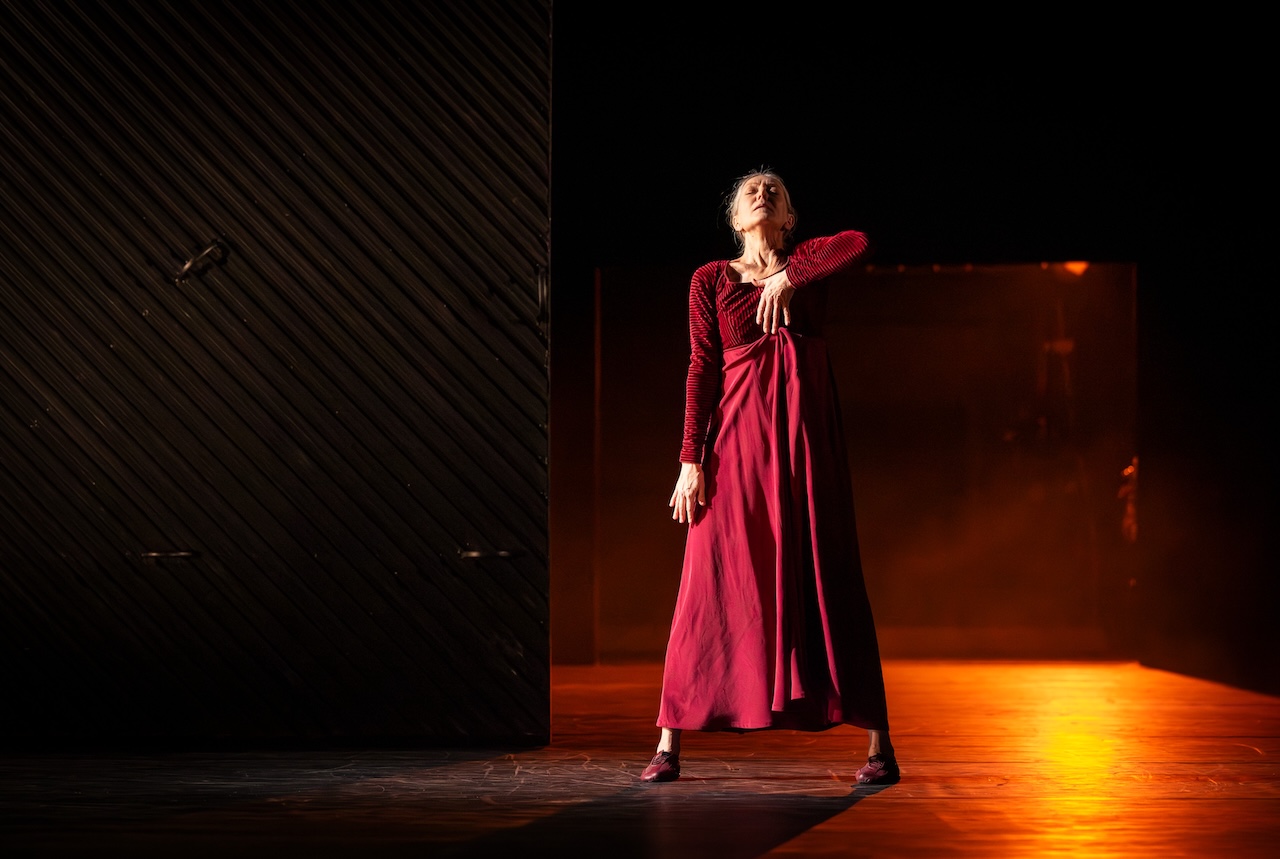
The costumes and set design, both by Magdalena Åberg, were highly functional and striking at the same time. The stage, composed of minimalist panels moving across the space, worked effectively for any moment the choreographer might require. These panels also feature grips that allow the dancers to climb on them, creating a sense of real perspective. The lighting design (Linus Fellbom) further enhanced the scene, helping to define intimacy or, conversely, openness in the overall tone of individual situations.
Juliet & Romeo lives or dies by the performers. For the second Madrid performance, Emily Slawski (Juliet) and João Felipe Santana (Romeo) took the stage. Their technically excellent performances were enriched with a generous dose of exuberant playfulness as well as the seriousness typical of first love, without slipping into empty clichés, even though the choreography occasionally invites them to do so. I would argue that it is precisely the performances of the two leads that elevate the overall experience of Ek’s work, even for those familiar with his earlier creations who might otherwise be more susceptible to noticing his recurring choreographic patterns.
Written from the second performance on 9 May 2026 at Teatro Real, Madrid, Spain.
Juliet & Romeo
Choreography: Mats Ek
Music: Pyotr Ilyich Tchaikovsky
Set design and costumes: Magdalena Åberg
Lighting: Linus Fellbom
Choreography assistants: Ana Laguna, Rafael Sady
Repetitor: Eva Säfström
Mask designer: Carola Berglund
Artistic Director of Ballet: Anders Hellström
Premiered at the Royal Opera of Sweden on 24 May 2013.