As the British dance scene becomes engulfed, at this time of year, by productions of The Nutcracker, I’d like to take this opportunity, in my second Letter from London, to look back at some of the performances I saw during the summer and autumn.
Dance can be the antithesis of a clock. Dance can teach us that time is not separate from the body. In fact, the moving body is rather a reminder that time and space are always in a dance. And the dance never stops, but it also never begins.
In the 2024/2025 season just passed, in addition to those projects by large ensembles celebrating various anniversaries of their existence, the fields of contemporary and new circus, physical theatre, mask and mime could be characterised as a platform open to the sharing of creative processes.
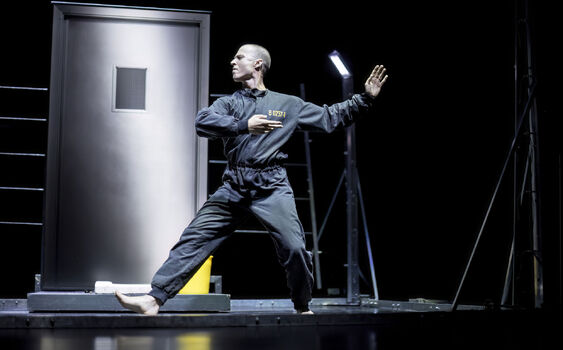
Christos Papadopoulos, one of the most internationally well-known and beloved Greek choreographers, returned to Rome for the closing week of the fortieth edition of the Roma Europa Festival.
A select group of choreographers currently stands out in the global creative dance scene. In contemporary dance, the gender ratio of female and male choreographers is relatively balanced (thanks in part to the wave of modernist women in the first half of the 20th century). In the domestic environment, I would even dare to say that women predominate.
Literature, visual art, music, theatre. Most artistic professions have already entered the fight against content generated by artificial intelligence (AI). Photography competitions and stock photo databases are setting rules to counter AI photos out of fear of losing market value.
Premieres by large ensembles, small collectives, and individual artists, a decentralised, overflowing community, a promising excess of productions that lasted the entire season. I fear that one would need an entire book to provide an exhaustive list of all premieres and events, and not just a single chapter at that. But perhaps the following can serve as inspiration for where to catch some dance this coming season.
Dance continues to perpetuate unrealistic and potentially harmful beauty standards, which can contribute to mental health challenges, including eating disorders, among dancers. This pressure can be amplified by social media’s pervasive influence.
Sorour Darabi’s performances are places where the complexity of otherness is exposed. By bringing together personal and collective experiences, Darabi explores intersectionality and the changeability of our identity and bodies in relation to culture and their political context.
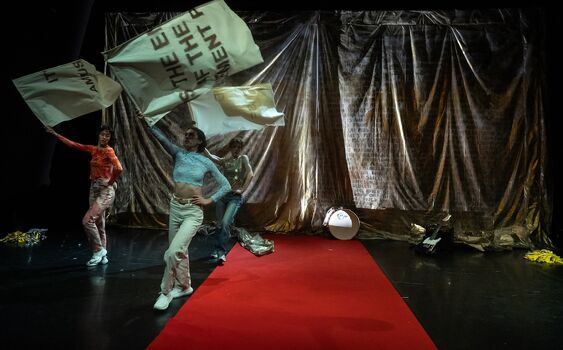
In the European premiere of her technicolour new work, South Korean choreographer Eun-Me Anh—one of the most important artists of her country, often referred to as the “Pina Bausch of Asia”—confronts Western audiences with their generalisations about the East.
Chybí v našem Diáři nějaká premiéra nebo repríza, o které by ostatní měli vědět? Napište nám o tom a pomozte nám tak zaplnit taneční diář.